

In medical environments, foot switches and hand controls are expected to perform reliably every time they're used. When one of these controls is part of a larger medical system, even a small failure can ripple into the rest of the device.
A new article from Linemaster Switch Corporation walks through how redundant mechanical and electrical systems are intentionally built into medical foot controls to reduce single point failures, strengthen fault detection, and support broader risk management strategies aligned with ISO 14971.
Medical foot switches and hand controls operate as the primary interface between the operator and the larger medical system they're connected to. The level of consistency expected from these controls isn't a nice to have. It's a baseline requirement, especially in environments where the larger device is responsible for procedures that don't tolerate downtime or unexpected behavior.
For an accessory device like a foot or hand control, severity is largely defined by the medical system it supports. That shifts the design focus at the control level toward two things: reducing occurrence and improving detection. Redundancy is the structured way that gets done. It removes single point failures, keeps the control functioning under partial fault conditions, and gives the overall system a way to catch issues before they affect higher level performance.
There are several common approaches used in practice. They show up across both the mechanical and electrical sides of the design, and they tie directly into how the larger medical device handles its own risk framework.
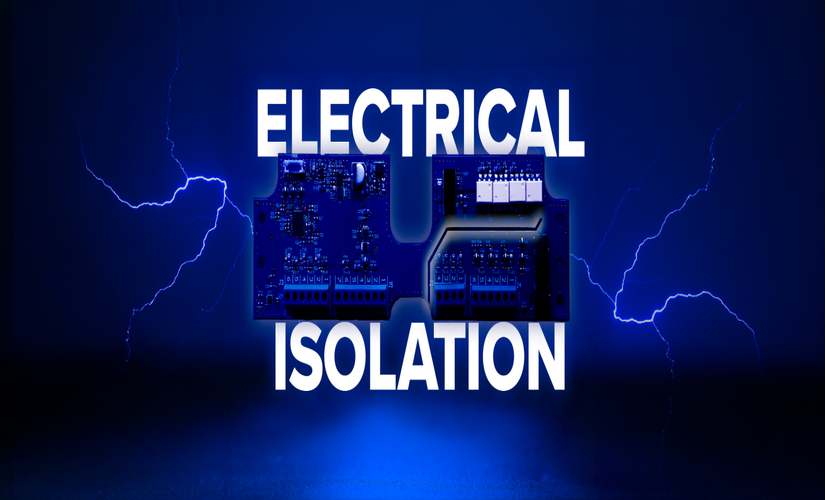
The full article walks through how redundancy actually gets implemented across the actuation mechanism, the sensing elements, and the supporting circuitry. That includes dual spring systems built into the pedal return, dual microswitches and dual Hall effect sensors configured in parallel signal paths, and supervised circuits that continuously check for opens, shorts, and interference. End of line resistors and watchdog signals factor in as well.
It also covers what happens once a fault is detected, how that response is handled by the host system, and how all of these design choices map back to ISO 14971 risk management and a Failure Modes and Effects Analysis.
Read the full article on the Linemaster Learning Center for a complete look at how these systems are designed, how they support fault detection in real time, and how they connect back to broader medical device risk control.
More information

.jpg)