

When a foot switch sits between an operator and high voltage equipment, the path electricity can take through that switch matters more than most people realize. Electrical isolation determines whether that path stays safely contained or has the potential to carry energy somewhere it shouldn't.
For OEMs designing medical, laboratory, and industrial systems, isolation isn't a finishing touch. It's a foundational design decision. A new article in the Linemaster Learning Center explains what electrical isolation actually means inside a foot switch, the three reasons OEMs specify it, and the methods engineers use to build it in, from physical separation to optocouplers, transformers, relays, and capacitive coupling.
Electrical isolation means there is no direct conductive connection between two sides of a circuit. The two sides can still communicate and operate together, but a barrier keeps current from flowing across.
In a foot switch, that barrier typically separates the operator side of the circuit from the side connected to the host equipment. When it's missing, three things are at risk: the person standing on the pedal, the equipment on the other end of the cordset, and the integrity of the signal itself. Even without an active fault, high frequency noise can couple onto a signal line and make a clean input look like a deliberate activation. For a pedal controlling a surgical instrument, a laser, or a press, that's not an acceptable failure mode.
Our latest Learning Center article walks through each of these risks and the design decisions that address them.
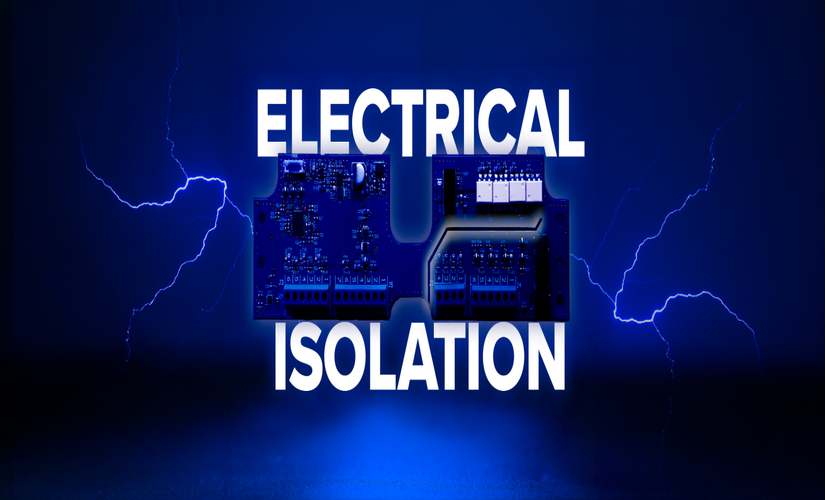
Inside the full article, we cover how isolation actually gets built into a foot switch, including:
The three reasons OEMs specify isolation, from operator safety to preventing false activations
When physical distance alone is enough, and when it isn't
How transformers, optocouplers, relays, and capacitive coupling each cross the barrier without a conductive path
Why there's no single isolation method that wins for every application, and the questions that guide the right choice
Isolation requirements are also one of the most common reasons a project moves from the standard catalog into a custom build. If you're working through isolation requirements for a new design or revisiting an existing one, the full article is a good place to start.
More information
.jpg)