

Medical foot switches control some of the most critical functions in modern healthcare equipment. Cutting, coagulation, laser emission, imaging, and powered motion all run through the press of a pedal, often while the operator can't keep their eyes on it.
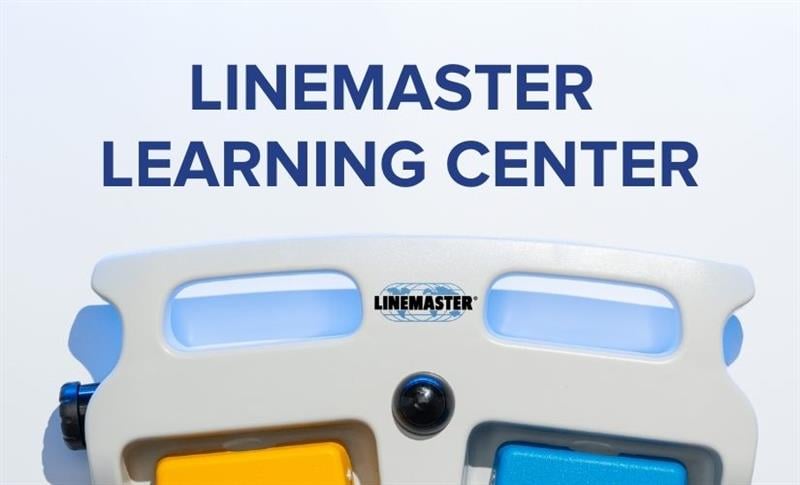
That's where guarding becomes a design consideration. IEC 60601 never says "use a guard," yet the framework around it can make guarding a practical necessity any time unintended activation could lead to harm. A new article in the Linemaster Learning Center breaks down when a guard is actually required, the standards that drive the decision, and what compliance really looks like.
Unintended activation isn't just a design quirk to manage. It's the central safety concern that decides whether a guard belongs on a foot switch in the first place.
When a pedal controls energy delivery, motion, or radiation, an accidental press can put the patient or the operator at risk. IEC 60601 doesn't spell out a guarding clause. What it requires is that manufacturers reduce unacceptable risk, and in many cases a guard becomes the most direct path to compliance.
Our latest Learning Center article walks through how that decision gets made, from the specific standards involved to the risk management work behind them.
.jpg)
Inside the full article, we cover the questions that come up most often when teams evaluate guarding:
- When a guard is actually required, and when it may not be
- The IEC standards that drive guarding decisions, including the particular standards for electrosurgery, lasers, and imaging
- What makes a guard IEC compliant, since the standards set performance expectations rather than a fixed shape or size
- How risk management and DFMEA shape the final design
- How test labs evaluate guarding during device review
- A few common misconceptions worth clearing up
If unintended foot switch activation can create harm in your application, a guard or an equivalent protective measure should be part of the design from the start.
Read the complete breakdown in the Linemaster Learning Center, and explore more on usability engineering, accidental activation prevention, and medical foot switch design.
More information