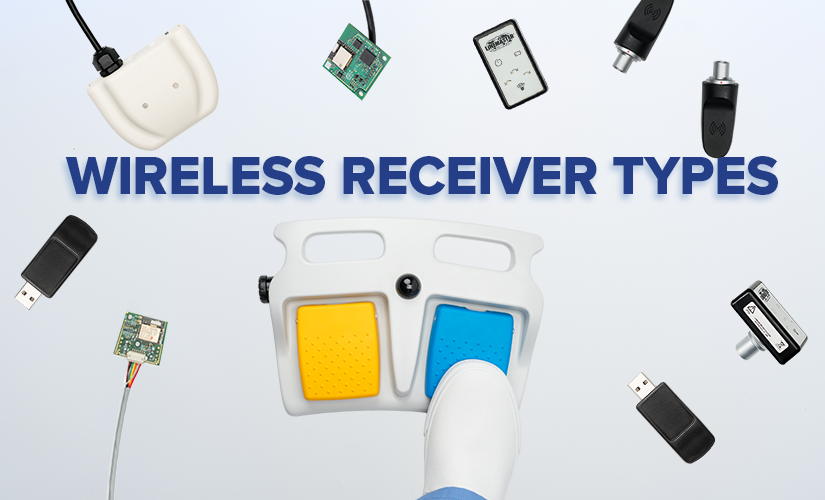


In medical environments, control devices are expected to respond only when intended. For foot switches, that means staying reliable in normal use while helping prevent accidental activation if the device is bumped, lifted, or tipped. Linemaster's newest Learning Center article looks at how tilt detection and orientation protection address that challenge.
It walks through how internal accelerometers monitor the position of the device in real time, how signal disabling prevents activation when the switch is out of position, and how configurable button force settings add another layer of protection. Together, these safeguards support more predictable system response and help improve patient and operator safety.
Medical foot switches play a critical role in surgical and procedural environments, where reliability and precision are essential. Operators expect the device to respond only when it's meant to, and any unintended activation can disrupt a procedure or introduce risk. That's why orientation protection has become a key consideration in modern foot switch design.
Some medical foot switches incorporate orientation monitoring to help detect when the device is no longer in its proper operating position. This added layer of protection is designed to reduce the risk of unintended activation when the switch has been lifted, tipped, or otherwise displaced.
How Tilt Detection Systems Work
Tilt detection systems often use an internal accelerometer to monitor the orientation of the foot switch during use. If the device is lifted, tipped over, or inverted, the system can automatically disable all input signals. This helps prevent the switch from activating connected equipment while it isn't properly positioned on the floor.
Instead of responding to accidental movement, the device is configured to respond only when it's returned to its intended operating position. This is often an option when the foot switch is stored, helping prevent accidental activations when the system is powered on.

Reducing Accidental Activation Through Button Force Settings
Additional safeguards may also be used to further reduce the likelihood of accidental activation. Push buttons can be configured with higher actuation force options such as 2.5lb or 4lb. This added resistance helps ensure that buttons don't activate under the weight of the device if the switch is tipped, shifted, or moved unexpectedly. It also supports more intentional input during normal operation.
Supporting Patient and Operator Safety
When combined, these design safeguards help improve both patient and operator safety by reducing unintended inputs and promoting predictable system response. By using orientation monitoring, signal disabling, and configurable button force options, medical foot switches can be designed to respond only to deliberate user input during normal operation.
Final Thoughts
Tilt detection and orientation protection are important examples of how safety features are integrated into modern medical foot switch design. These systems help reduce accidental activation and support more controlled operation in demanding environments. Read the full article on the Linemaster Learning Center for a closer look at how these features work and what they mean for OEMs and medical device manufacturers.
More information


.jpg)