

When evaluating a wireless foot switch system, most of the focus goes to the pedal. But the receiver is what actually makes the system work wirelessly. It picks up the signal from the transmitter and allows the equipment to respond the way it's supposed to. Understanding the different receiver types used in foot switch systems can help engineers and OEMs make better decisions before those choices become integration problems later.
When most people evaluate a wireless foot switch system, the pedal gets all the attention. But the receiver is what actually makes the system work. It picks up the signal from the transmitter and converts it into something the equipment can respond to, making it a direct part of the signal path, not just a background component. And just like not every wireless foot switch is built the same, not every receiver setup is either.
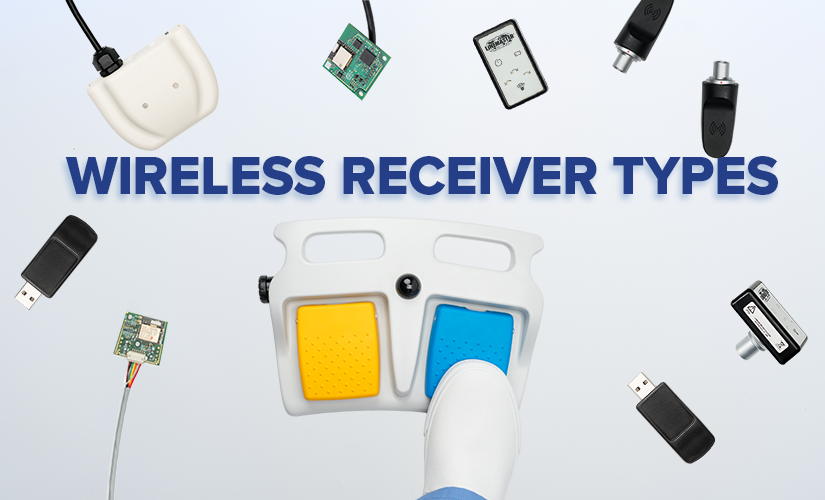
The type of receiver used affects how the system is installed, how it fits into the equipment, and whether the setup works for a new design or a retrofit application. Understanding the differences can help you ask the right questions before those decisions become integration challenges. Read the full breakdown on the Linemaster Learning Center.
More information

.jpg)