

Electromagnetic compatibility is a reliability and patient safety requirement in medical foot switch and hand control design, not just a compliance checkbox. A new Linemaster Learning Center article explains how EMC performance is built through system level engineering, where electrical, mechanical, and PCBA decisions are developed together from the start rather than corrected late with added shielding.
The article covers cable shielding and termination strategy, grounding architecture and return current behavior, PCB layout and stackup practices, filtering and transient suppression, ESD protection for operator facing devices, enclosure shielding continuity, and what IEC 60601-1-2 testing does and does not confirm about field performance. Engineers developing surgical, imaging, and diagnostic systems can use it to identify EMC risks early, before they become expensive redesign issues.
Modern clinical environments are electrically crowded. Electrosurgical generators, RF ablation systems, imaging platforms, wireless networks, switching power supplies, and portable communication devices all operate in close proximity, and every one of them contributes to the electromagnetic environment a medical foot switch has to survive.
That matters because the foot switch is often the primary operator interface for activating critical system functions. Electromagnetic interference can cause unintended activation, communication interruption, or signal instability during a procedure. EMC performance is therefore a fundamental reliability consideration, not simply a regulatory hurdle.
Linemaster's newest Learning Center article, EMC Design Considerations for Medical Foot and Hand Controls, walks through how EMC protection is actually engineered into a medical control interface. Topics include:
Cable shielding and grounding. Long cable assemblies frequently become unintended coupling paths for radiated and conducted noise. Shielded construction helps, but shielding effectiveness depends on termination strategy, connector bonding, and grounding architecture. Improper shield termination is one of the most common root causes of EMC instability in medical foot controls, in part because high frequency return currents follow fundamentally different paths than low frequency power currents.
PCBA layout and return current control. Component placement, multilayer stackups, continuous reference planes, and trace routing all influence emissions and immunity. The article describes techniques such as stitching the PCB perimeter with ground vias and sandwiching traces between parallel ground planes, and explains why interruptions in reference planes or split ground structures can turn ordinary pins and traces into unintended antennas.
Filtering, transient protection, and ESD. Bypass capacitor placement, ferrite beads, common mode chokes, LC networks, and transient voltage suppression devices each play a role. Because foot switches and hand controls are handled directly by clinical staff, ESD protection requires coordinated electrical and mechanical design rather than component selection alone.
Mechanical construction as an EMC element. Enclosure gaps, shield continuity, fastener placement, gasket compression, and connector bonding can undo an otherwise sound electrical design. Plastic enclosures may require conductive coatings or internal shielding structures, while metal components need reliable bonding continuity across seams and mating surfaces.
Compliance testing and design margin. Medical EMC requirements are governed primarily by IEC 60601-1-2, and compliance depends on complete system integration rather than isolated component selection. The article makes a point that experienced engineers tend to learn the hard way: passing certification testing does not by itself guarantee robust field performance if adequate design margin was never built in. Pre compliance testing and application specific validation help expose noise coupling mechanisms, grounding weaknesses, and layout vulnerabilities while they are still inexpensive to fix.
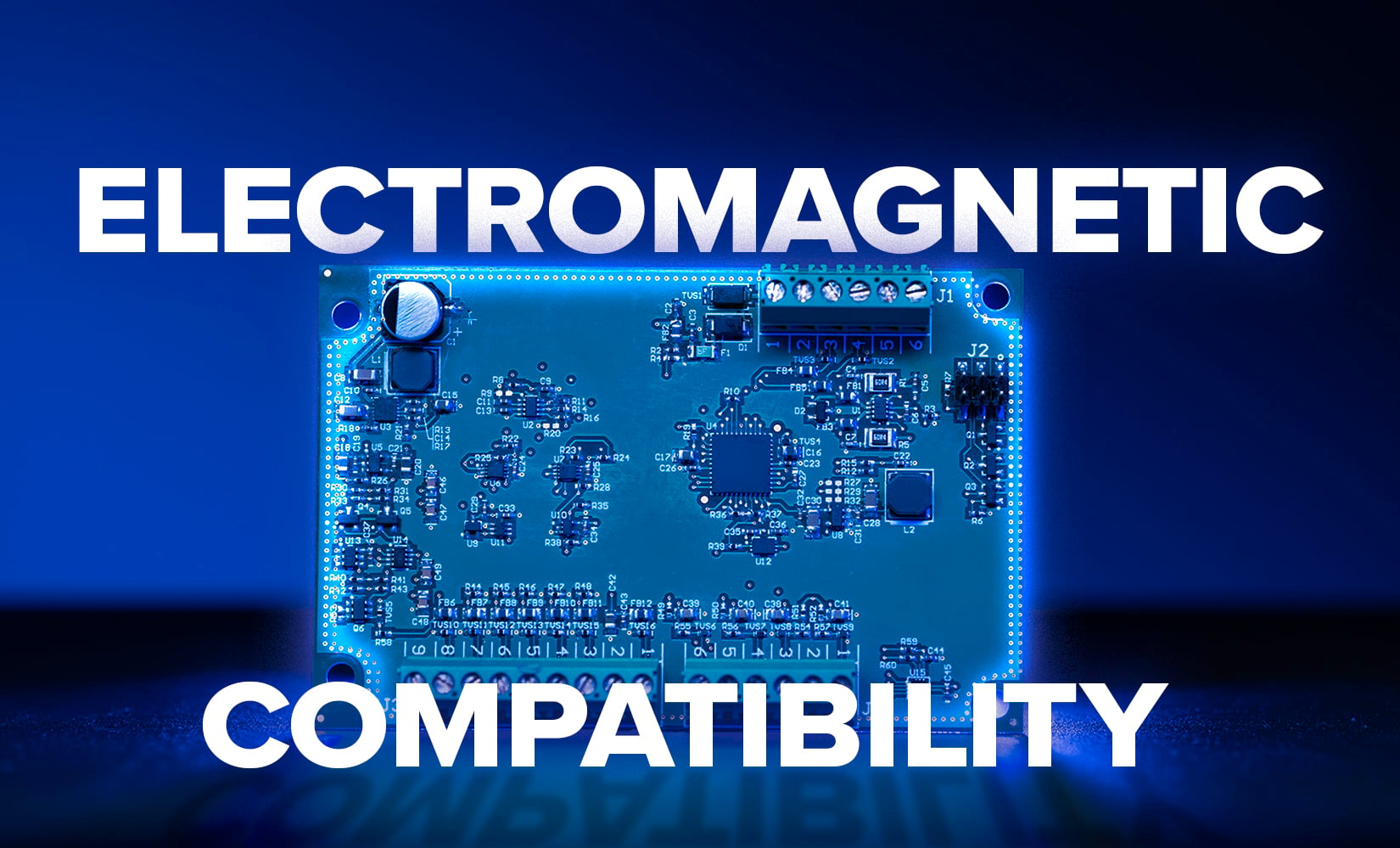
As medical systems move toward higher electronic integration, more wireless communication, and more compact PCBAs, EMC engineering will stay central to medical foot switch and hand control development. Strong EMC strategy supports stable operation, regulatory compliance, and consistent long term performance in demanding clinical environments.
Read the full article to see how each of these design areas connects, including where teams typically run into trouble and what early integration can prevent.
Read the full article: EMC Design Considerations for Medical Foot and Hand Controls
More information

.jpg)