


In the world of medical devices, precision and reliability aren’t optional—they’re essential. While headlines may focus on advanced imaging systems, groundbreaking therapies or innovative materials, the reality is that many of the most critical safeguards happen behind the scenes.
Valves, stopcocks and injection sites are the quiet workhorses that protect fluid integrity, control flow and keep assemblies performing under pressure—literally. Choosing the right ones can mean the difference between a flawless procedure and a costly failure.
This guide explores why fluid control matters, the design challenges engineers face, and how carefully selected components can deliver both accuracy and safety.
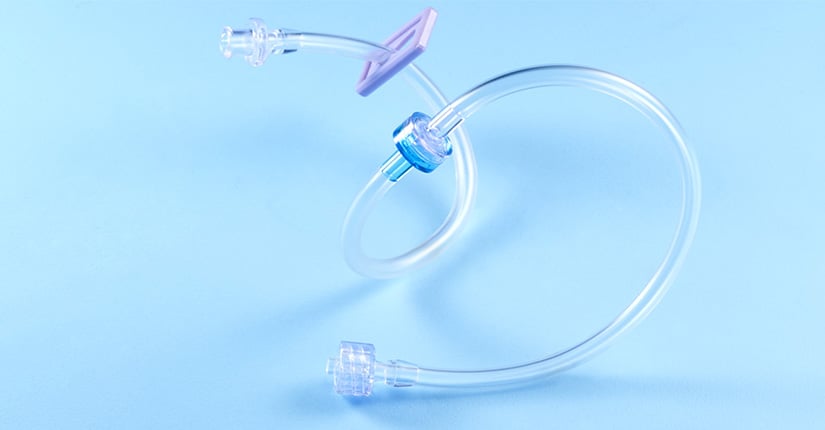
Why Fluid Control Matters
Every component in a fluid path plays a role in patient safety and device performance. Whether it’s transferring medication, flushing a catheter or collecting a blood sample, the right valve or access point helps maintain:
- Consistent pressure and flow rates to ensure treatment efficacy
- Leak prevention that safeguards the patient, healthcare professional and equipment
- Controlled access for injections, sampling or flushing without risking contamination
Incompatible or poorly specified components can lead to pressure loss, sterility breaches or system downtime. For medical device manufacturers, these risks can have regulatory, financial and reputational consequences.
More information